
The Foundation That Shapes a Muslim’s Faith and Life
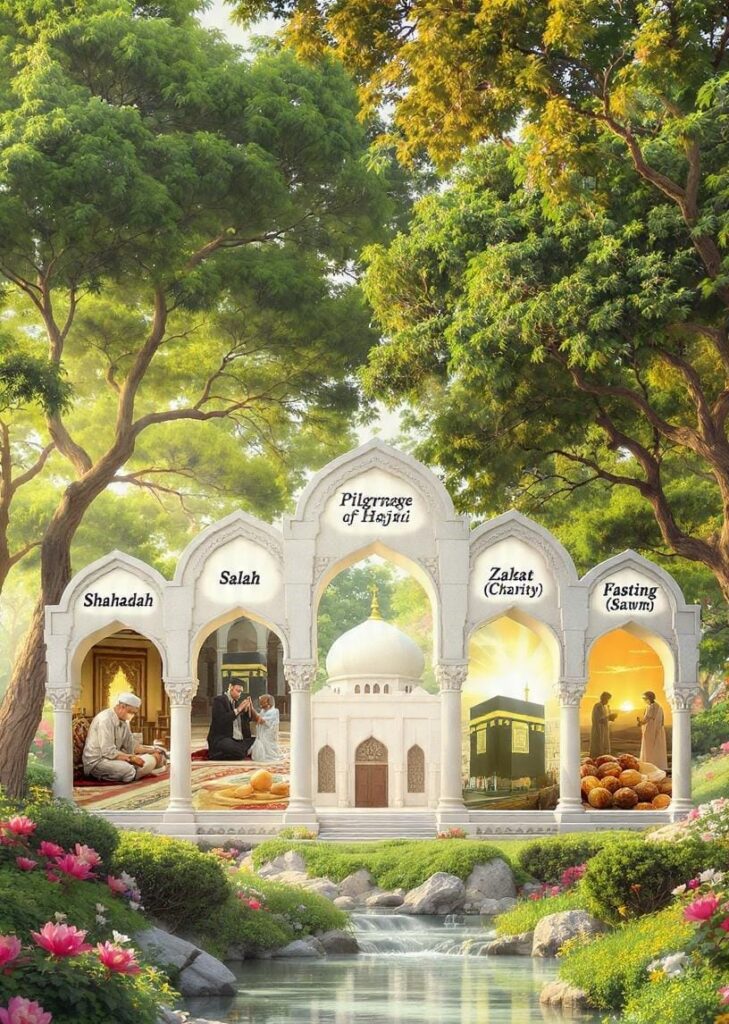
Five Pillars of Islam
Form the foundation of a Muslim’s faith and daily practice. They are the core acts of worship that shape belief, character, and responsibility. Through these pillars, Islam provides a balanced way of life connecting faith with action, spirituality with discipline, and personal devotion with social responsibility.
Every Muslim’s journey is built upon these five pillars, which guide both inner belief and outward behaviour.
The Five Pillars of Islam are essential because they provide a clear and practical framework for living a life of faith, balance, and purpose. Through the Shahada, a Muslim establishes belief and intention through Salah, that belief is practiced daily with discipline and mindfulness through Zakat, faith is expressed through compassion and social responsibility through Sawm, self-control and spiritual awareness are strengthened and through Hajj, unity, humility, and devotion to Allah are deeply realized. Together, these pillars shape character, guide behavior, and connect personal worship with community responsibility, making them the foundation upon which a strong and meaningful Islamic life is built.
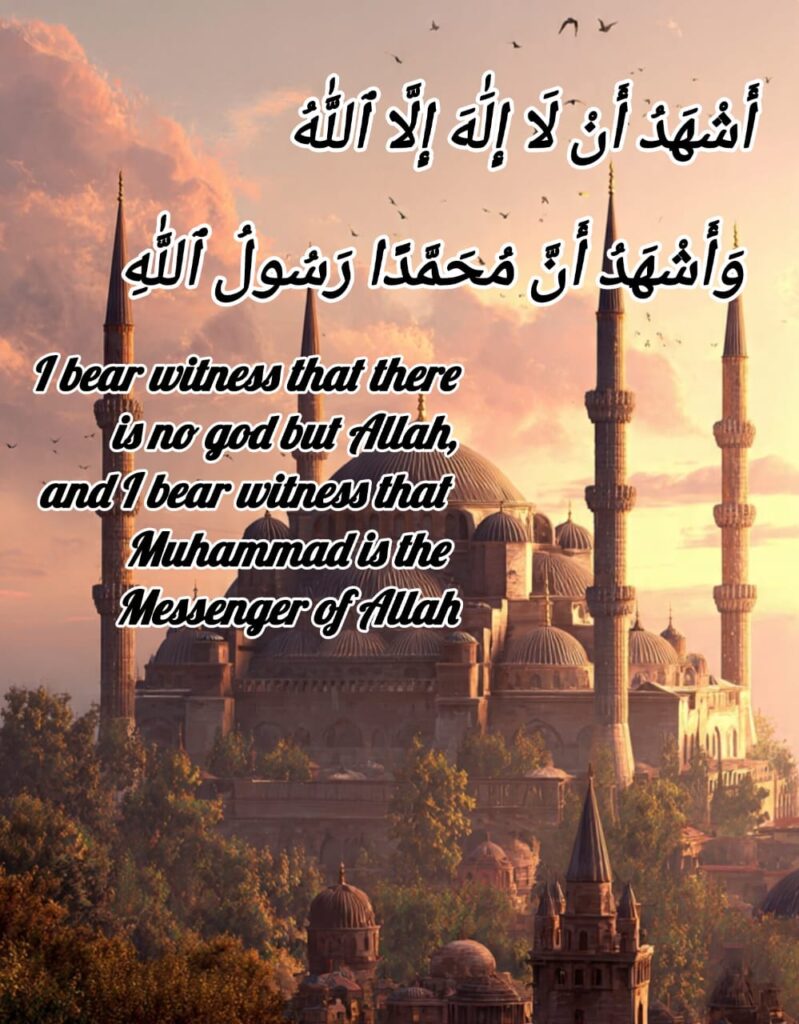
What Is the Shahada?
The Shahada is the declaration of faith and the first pillar of Islam. It is the sincere testimony that there is only one God, Allah, and that Muhammad ﷺ is His Messenger.
This declaration establishes the belief in the oneness of Allah and acceptance of divine guidance. Shahada is not only spoken but lived through obedience, sincerity, and trust in Allah. It shapes a Muslim’s worldview, moral values, and purpose in life.
If you want to understand the meaning of Shahada, its conditions, and how it shapes a Muslim’s belief and way of life,Book a Free Demo Class to Understand Shahada Properly
What Is Salah and Why Is It Important?
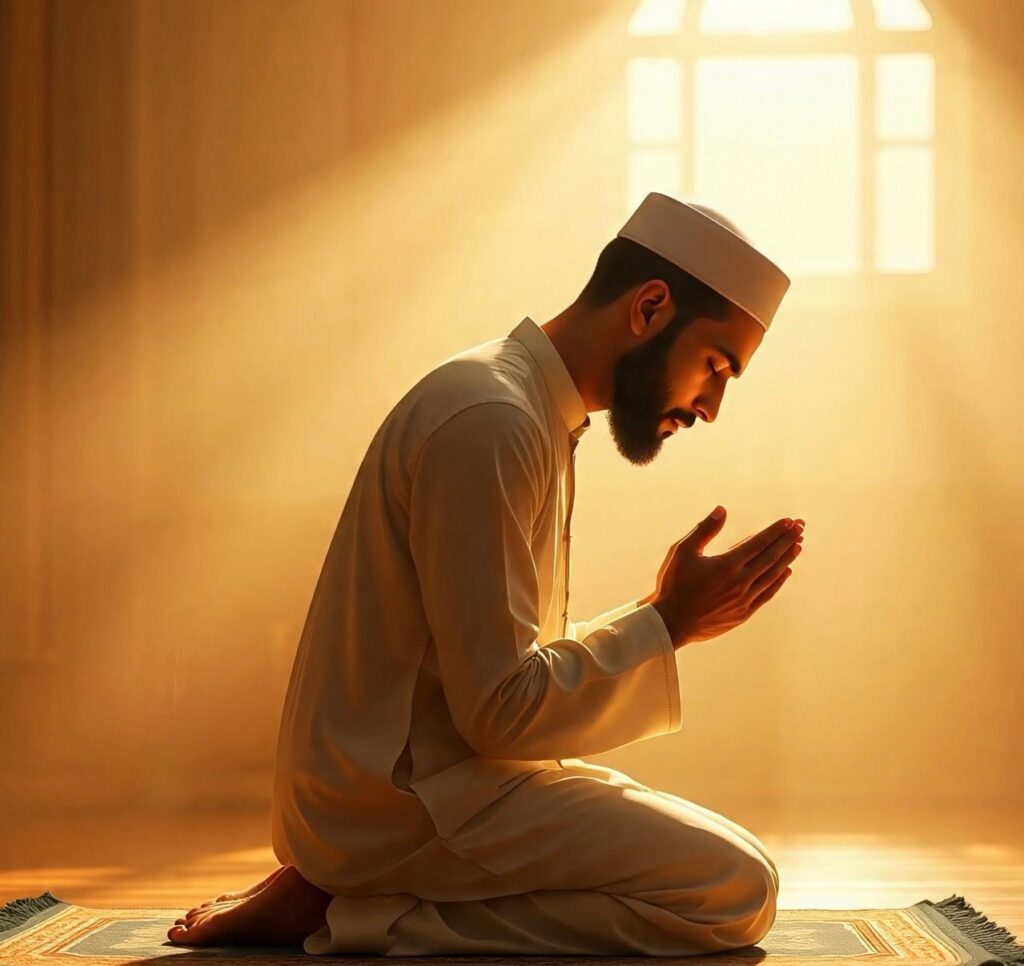
Salah, also known as Namaz, is the second pillar of Islam and the most consistent act of worship in a Muslim’s life. Muslims perform five daily prayers at fixed times, creating regular moments of reflection and connection with Allah.
Salah nurtures discipline, humility, and mindfulness. It reminds believers of accountability and encourages ethical behavior. By pausing throughout the day to pray, a Muslim remains spiritually grounded regardless of life’s pressures.
Prayer also benefits mental and physical well-being. The focused movements and recitation promote calmness, improve posture, and reduce stress, making Salah a source of balance for both body and mind.If you want to learn how to perform Salah correctly, understand prayer timings, and discover the deeper purpose of Namaz.Book a Free Demo Class and Explore This Topic in Detail with Our Teachers
What Is Zakat?
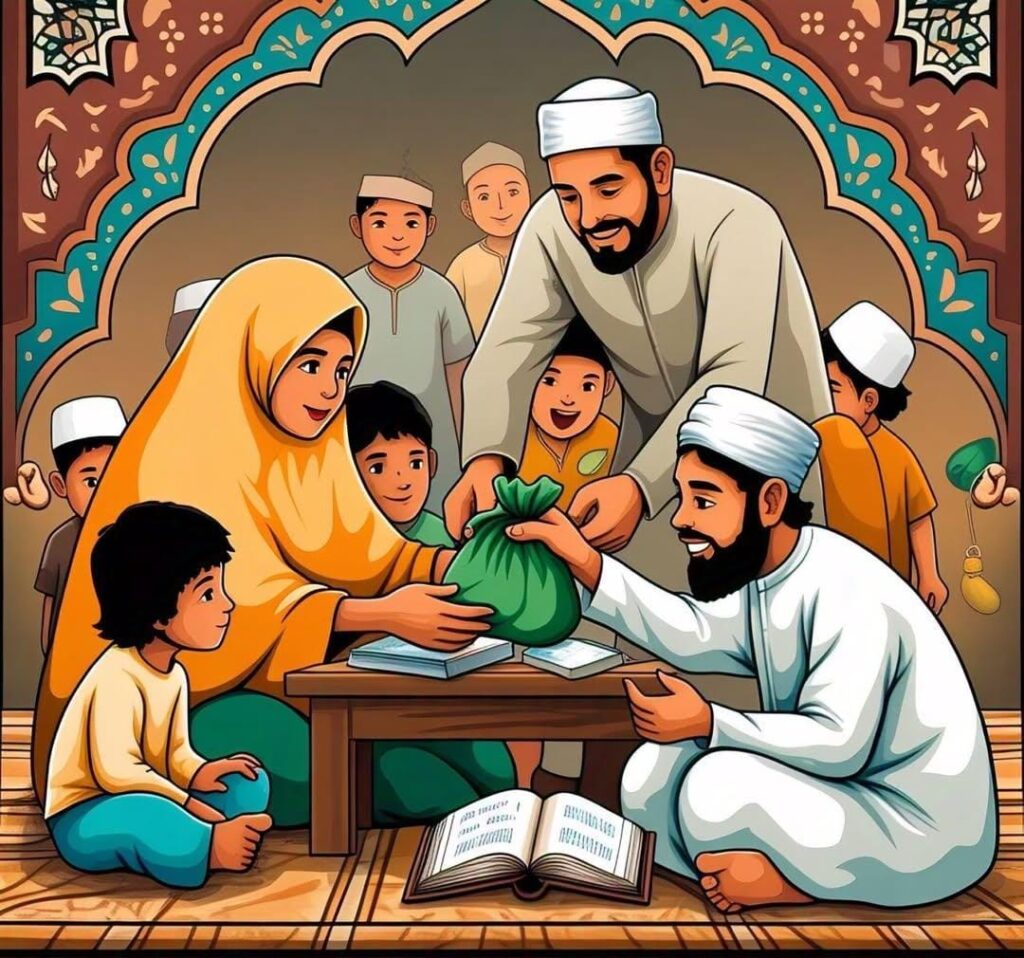
Zakat is the obligatory charity given by eligible Muslims to support those in need. It is a fixed portion of wealth distributed annually to purify one’s earnings and strengthen the community.
Zakat teaches generosity, responsibility, and compassion. It reminds believers that wealth is a trust from Allah and that social justice is a shared obligation. Through Zakat, Islam establishes a system that supports the vulnerable and reduces inequality.If you want to learn who must give Zakat, how it is calculated, and where it should be distributed.Book a Free Demo Class and Explore This Topic in Detail with Our Teachers
What Is Sawm in Islam?
Sawm refers to fasting during the month of Ramadan. From dawn until sunset, Muslims abstain from food, drink, and harmful behavior while increasing acts of worship and self-reflection.
Fasting builds self-control, patience, and empathy. It allows believers to experience hunger and develop compassion for those who struggle daily. Sawm also encourages spiritual renewal and gratitude, making Ramadan a time of deep personal growth.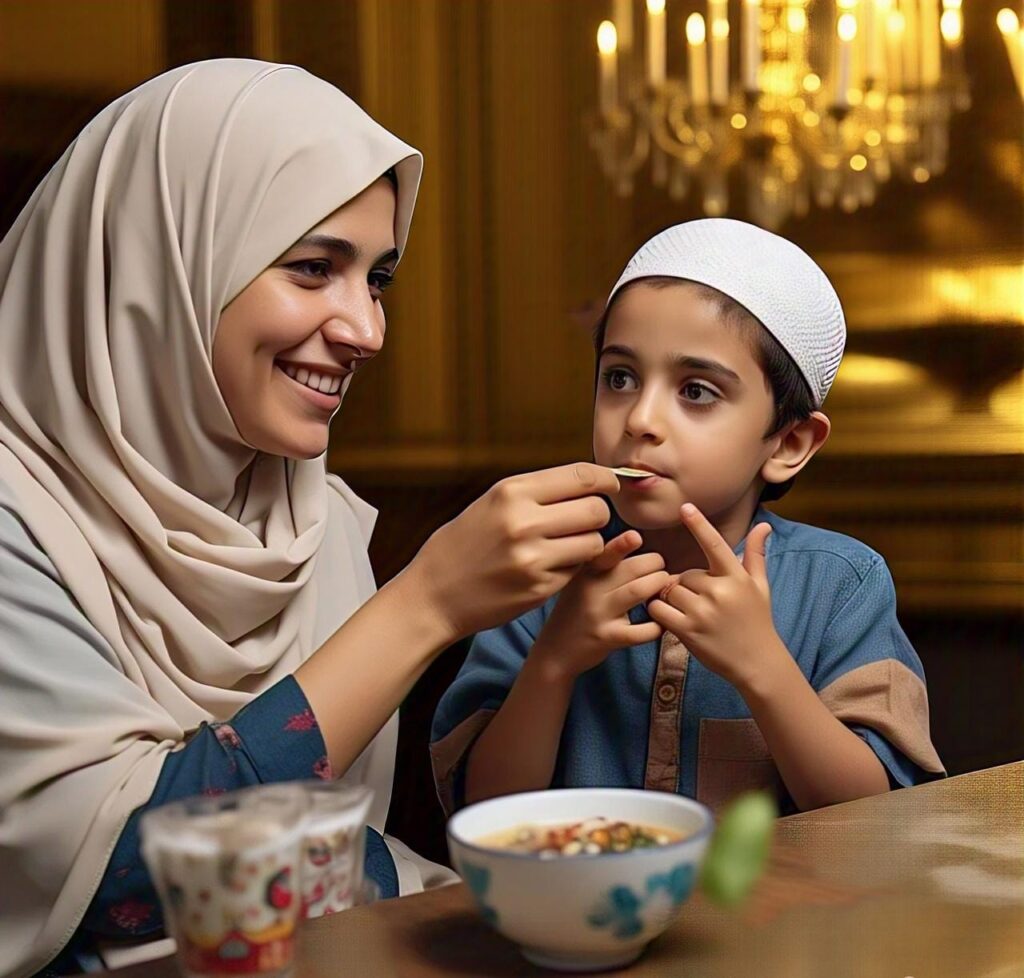
What Is Hajj and Who Must Perform It?
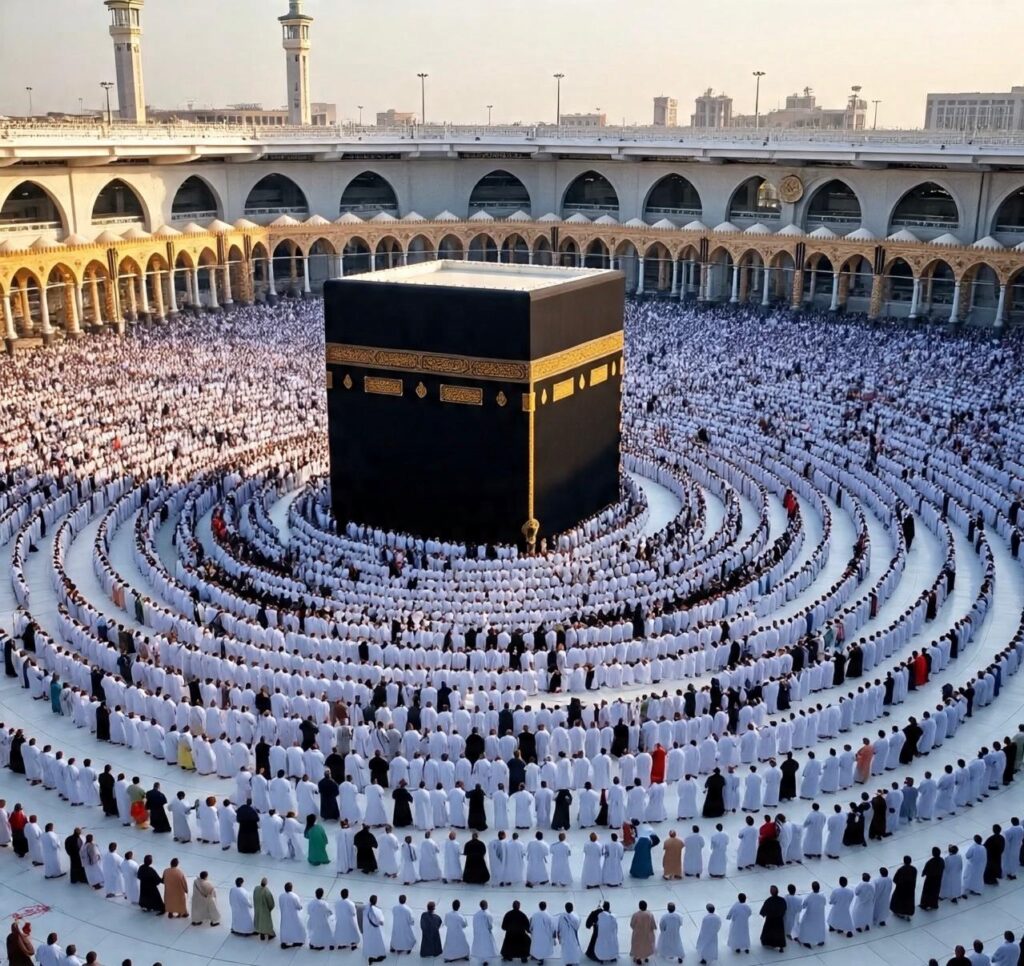
Hajj is the pilgrimage to Makkah and the fifth pillar of Islam. It is required once in a lifetime for Muslims who are physically and financially able.
During Hajj, millions of Muslims gather in simple clothing, symbolizing equality and unity. The pilgrimage strengthens faith, humility, and devotion, reminding believers that all people are equal before Allah.
If you want to understand who must perform Hajj, the steps involved, and the deeper meaning of this sacred journey, Book a Free Demo Class and Explore This Topic in Detail with Our Teachers