
Fasting in Islam (Sawm) Complete and Authentic Guide
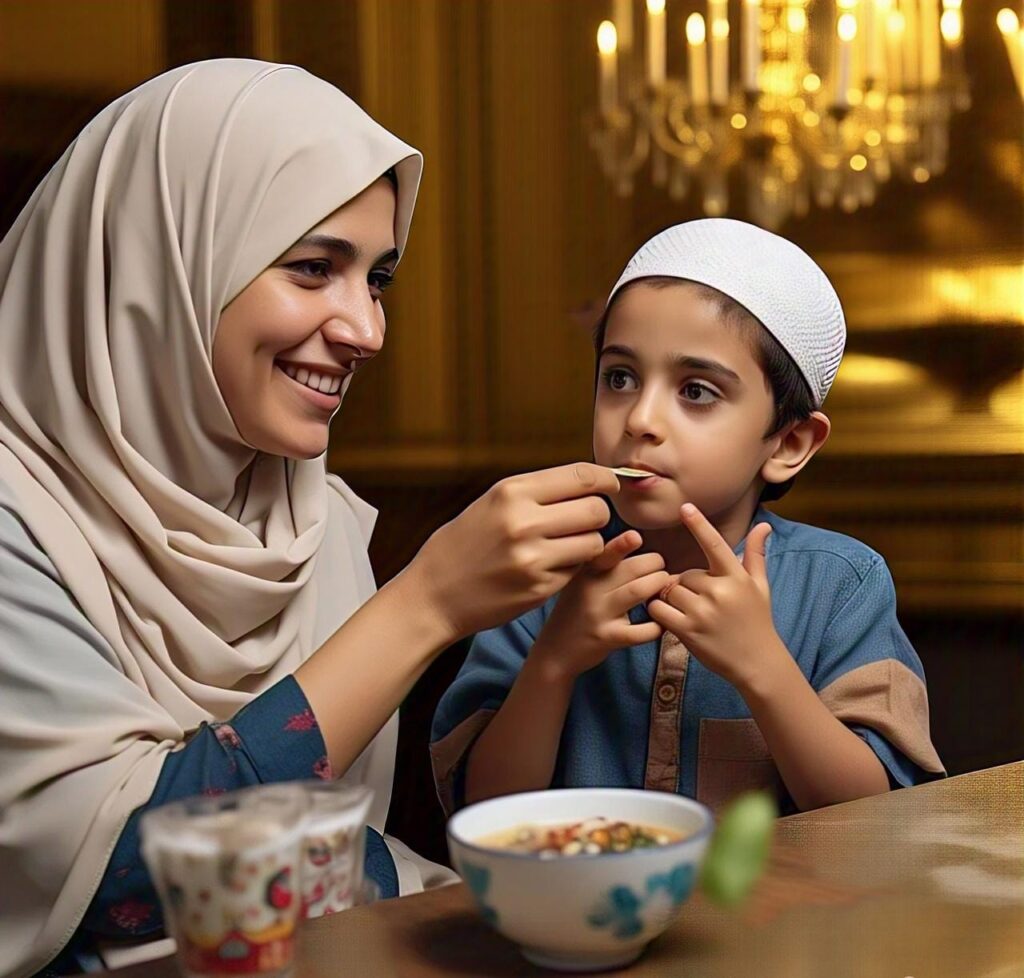
Fasting, called Sawm in Islam, is one of the five pillars of Islam and a compulsory act of worship for adult Muslims. It means refraining from food, drink, and sinful behavior from dawn until sunset with the intention of obeying Allah. Fasting is not only physical restraint but spiritual discipline that builds faith, character, and social responsibility.Allah commands fasting clearly in the Quran. He says that fasting was prescribed to earlier nations and to Muslims so that they may develop taqwa, which means awareness and consciousness of Allah. Allah also explains that Ramadan is the month in which the Quran was revealed as guidance for humanity. This shows that fasting is directly linked to faith, self-control, and spiritual growth.
Prophet Muhammad ﷺ Said About Fasting
Prophet Muhammad ﷺ taught that fasting is a shield that protects a person from sin. He explained that fasting is not only leaving food and drink, but also leaving bad speech, anger, lies, and harmful behavior. The Prophet ﷺ encouraged Muslims to fast sincerely, control their character, and increase worship during Ramadan.
The Month of
Ramadan is the ninth month of the Islamic calendar and the most blessed month. During Ramadan, fasting becomes obligatory from true dawn (Fajr) until sunset (Maghrib). Muslims increase prayer, Quran recitation, charity, and remembrance of Allah. Ramadan is a time for forgiveness, mercy, and spiritual renewal.
When Fasting Starts and Ends
Fasting begins at Fajr time, when true dawn appears, and ends at Maghrib, when the sun sets. Muslims eat Suhoor before dawn and break the fast with Iftar at sunset. Suhoor is a blessed meal and helps maintain strength during the fast. Breaking the fast on time is encouraged and should not be delayed.
Who Must Fast and Who Is Excused
Fasting is obligatory for every adult Muslim who is healthy and able. Children are encouraged to practice fasting gradually. Those who are sick, traveling, pregnant, breastfeeding, elderly, or unable due to health reasons are allowed not to fast. Islam allows making up missed fasts later or giving charity if fasting is not possible.
What Breaks the Fast
A fast is broken by eating or drinking intentionally during fasting hours. It is also broken by intentional vomiting, marital relations during fasting time, menstruation or post-childbirth bleeding, and deliberate actions that allow nourishment to enter the body. Forgetful eating or drinking does not break the fast. If a fast is broken intentionally without a valid reason, it must be made up and may require additional compensation according to Islamic rulings.
What to Do During the Fast
During fasting, Muslims should pray on time, recite the Quran, remember Allah, give charity, help others, and make sincere dua. Patience, kindness, honesty, and good manners are strongly encouraged. The fasting person should remain calm, polite, and focused on worship throughout the day.
What Not to Do During the Fast
A fasting Muslim should avoid lying, backbiting, gossip, anger, foul language, and harmful actions. Arguing, insulting others, and wasting time in sinful activities reduce the reward of fasting. The Prophet ﷺ taught that if someone provokes a fasting person, they should respond calmly and remember they are fasting.
Spiritual Benefits of Fasting
Fasting strengthens faith and brings a person closer to Allah. It purifies the heart, increases self-control, and helps develop sincerity. Hunger softens the heart, increases humility, and reminds Muslims of their dependence on Allah. Many believers experience inner peace and spiritual clarity during fasting.
Moral and Social Benefits of Fasting
Fasting builds strong moral values such as patience, empathy, discipline, and gratitude. It helps Muslims understand the suffering of the poor and encourages generosity. Families and communities come together during Suhoor and Iftar, strengthening social bonds and unity.
Conclusion
Fasting in Islam is a complete system of worship that trains the body, mind, and soul. It connects Muslims with Allah, improves character, and builds a caring society. Ramadan offers a powerful opportunity for spiritual growth, forgiveness, and self-improvement. When fasting is observed correctly and sincerely, it transforms a believer’s life

About
At Iqrailmify, we make learning the Quran and Islam accessible, engaging, and enjoyable for Muslims of all ages wherever you are.
Menu
Services
- Quranic Studies
- Islamic Studies
- Islamic Activities
- Islamic Quizzes